Stories in Motion.
Impact in Every Frame.

Professional Video Production That Connects

At Anderson Insight Media, we create compelling videos that bring ideas, brands, and stories to life. From powerful brand films and promotional content to testimonials and event coverage, every frame is crafted with purpose.

Skip to Videos
  • Mobile Se.jpg
    8/7/26

    Dark Money isn’t just a political buzzword

    it’s a force shaping decisions, narratives, and outcomes in ways most people never see.
    My latest video breaks down how it works, why it matters, and what you should be paying attention to.

    If your organization, conference, or podcast is exploring power, influence, media, or civic engagement, I’m available as a keynote speaker, podcast guest, or panelist.
    You can book me through my speaker page: www.andersoninsightmedia.com

    Get your copy of The Synthetic Empire here available in paperback, ebook and audiobook formats.

    https://a.co/d/0dGxzKGV

  • Mobile Se.jpg
    7/31/26

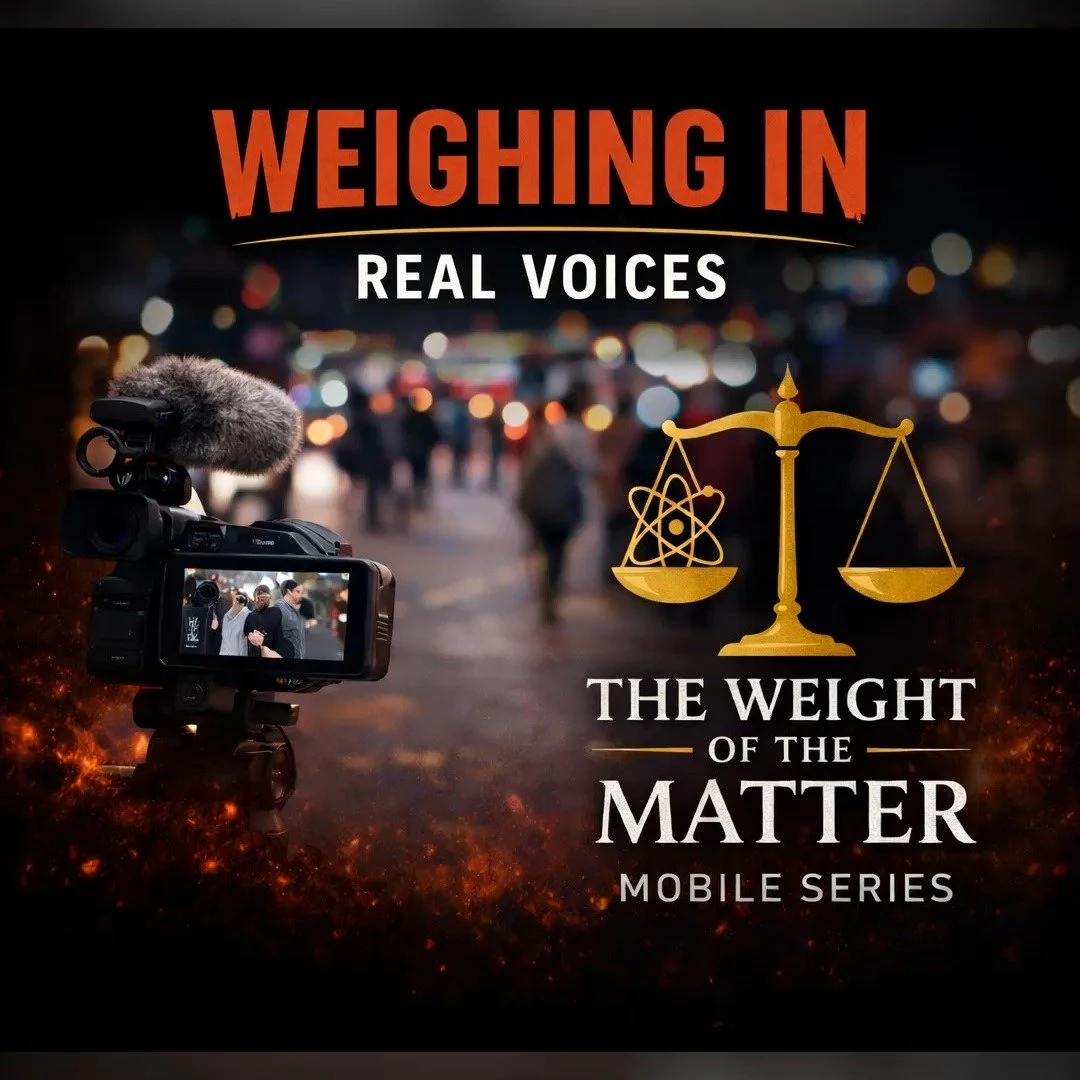
    As part of our ongoing Weighing In: Real Voices series

    I’m continuing to build a baseline of knowledge about the tactics shaping modern campaigning. Today’s video focuses on Astroturfing — a practice where campaigns imitate grassroots support instead of earning it through real community engagement.

    In recent races (both locally and nationally), we’ve seen well‑funded campaigns with almost no local field presence rely heavily on ads, digital amplification, and curated online visibility. Astroturfing is the tactic that fills the gap when genuine grassroots energy isn’t there.

    Understanding how this works — and how to spot it — is essential for recognizing the difference between authentic civic engagement and political theater.

    More installments of Weighing In: Real Voices are on the way as we continue building this foundation together.

  • Mobile Se.jpg
    7/24/26

    As part of our ongoing Weighing In: Real Voices series

    I’m continuing to build a baseline of knowledge about the tactics shaping modern campaigning. Each segment in this series is designed to help viewers understand not just what happens during elections, but how campaigns communicate, coordinate, and influence voters behind the scenes.

    Today, I’m sharing a standalone segment on RedBoxing — a practice where campaigns publicly post highly specific messaging that outside groups can use to shape their ads. This video was originally recorded as part of a longer interview, but I decided it needed to be highlighted on its own. Given everything we’ve seen in recent races, this tactic deserves direct attention.

    And it’s not just a local issue.
    RedBoxing is happening right now in U.S. House and U.S. Senate races across the country, including some of the most competitive contests heading into the fall. Because outside groups can spend unlimited money, these signals can have significant implications for which party ultimately holds majorities in both chambers. Understanding how RedBoxing works is essential for understanding how modern campaigns coordinate messaging without technically “coordinating.”

    Think of this segment as another building block in the foundation we’re creating — a baseline we’ll continue expanding in future episodes as we explore the evolving landscape of political communication, outside spending, and digital strategy.

  • Mobile Se.jpg
    7/18/26

    As I continue breaking down the the larger forces shaping our society

    I want to share a follow‑up piece that lays some essential groundwork.
    Earlier this year, I recorded a long‑form interview segment that included explanations of SuperPACs and redboxing — two practices that played a major role in the recent elections and in modern campaign strategy more broadly. At the time, these explanations were embedded inside a longer conversation. But given everything we’ve seen in the aftermath across the country, I believe these topics deserve to be called out directly.
    So today, I’m releasing the SuperPAC portion as a standalone video. Think of it as a baseline of knowledge — a foundation I’ll be building on in future episodes as we continue examining outside spending, corporate influence, and the shifting dynamics of political communication.

    These concepts aren’t abstract. They shape how campaigns operate, how narratives are built, and ultimately how voters experience elections. Understanding them is the first step toward understanding the system we’re all navigating.

  • Mobile Se.jpg
    7/7/26

    A week ago, I shared an analysis of the MD‑5 primary

    A week ago, I shared an analysis of the MD‑5 primary and the enormous role that outside spending and private wealth played in shaping the results. Today, I want to highlight one important follow‑up point — and ask for your help.

    During the campaign, Adrian Boafo stated that he would sever his financial ties with Oracle if he won the Democratic primary. It has now been two weeks, and there is still no public confirmation that he has followed through on that commitment. His professional listings continue to identify him as part of Oracle’s government affairs operation.

    Ideally, Mr. Boafo’s campaign would publicly confirm whether he has fulfilled this pledge, especially given how central outside spending and corporate influence were in this race. Transparency from the campaign itself would go a long way toward building trust.

    In the meantime, I’m asking the community:
    If you have seen any credible, verifiable evidence that Mr. Boafo has formally ended his relationship with Oracle, please share it in the comments.

    This isn’t about speculation — it’s about accountability. Voters deserve clarity on whether this promise has been honored.

    Please like, share, and comment. If you would like to help support independent content, please consider making small donations to support this work. Inbox me for details.

  • Mobile Se.jpg
    7/2/26

    The MD‑5 primary wasn’t just a contest of ideas

    it was a case study in how money shapes modern elections.

    Adrian Boafo entered the race backed by over $12 million in outside spending from AIPAC‑affiliated organizations, crypto‑aligned groups, and interests connected to Oracle. Early results show him receiving roughly 32,000 votes, which comes out to about $375 spent per vote when you combine campaign and outside expenditures.

    Quince Bareebe took a different route, loaning her campaign over $6 million of her own private wealth — effectively becoming her own Super PAC.

    Harry Dunn highlighted his $18 average donation, but even his fundraising relied heavily on donors outside the district, reflecting a nationalized donor base rather than local engagement.

    When you line up the numbers, the pattern is unmistakable:
    The candidates who raised the most money finished at the top.
    And in a district of more than 700,000 residents, the low turnout only amplified the influence of outside spending and private wealth.

    This race wasn’t just about MD‑5. It revealed deeper issues in our electoral system — issues I’ll be breaking down in future commentaries.

    For now, the takeaway is simple:
    Money spoke loudly in this election. Voters deserve to know who it speaks for.

  • Mobile Se.jpg
    6/23/26

    As we get closer to the end of this primary election season

    the arguments flying around are getting louder — and a whole lot less honest. That’s exactly why I created The Weight of the Matter, why I wrote The Synthetic Empire, and why I stepped into the role of a civic interpreter:

    To use the gifts God gave me to bring clarity to complex issues so people can make informed decisions about their lives.

    In this episode, I break down several talking points that keep getting repeated — about endorsements, SuperPAC money, business success, corporate influence, and candidates who avoid taking real positions. Some of these arguments sound reasonable until you actually examine them. Others are just plain disingenuous, and you know I can’t let that slide.

    As we approach the end of this campaign, voters need to be smart, clear‑eyed, and intentional. Don’t let endorsements think for you. Don’t let money talk louder than your own judgment. Don’t let vague answers pass for leadership.

    If you value content that cuts through the noise and brings clarity where others bring confusion, I’m asking you to support this work:
    👍🏾 Like the video
    💬 Drop a comment
    🔁 Share it with your network
    💵 And if you want to help sustain this work, inbox me about making a small donation

    Your engagement helps this message reach the people who need it most.
    That’s the Weight of the Matter.

  • Mobile Se.jpg
    4/3/26

    For this special edition of Weighing In: Real Voices / Part of the Weight of the Matter Mobile Series

    We sat down at Allen Pond Park with Rebecca Pearce, a Bowie High 2020 graduate and candidate for Mayor of Bowie. With the election coming up on April 7th, this is your chance to hear directly from one of the voices in the race.

    Stay tuned for the full conversation. And if you like this type of content, please, like, share, comment or consider giving a small donation to support this type of work. Thank you.

  • Mobile Se.jpg
    3/19/26

    Recently, Dr. Jamal Bryant announced that the Target boycott has run its course and should end.

    Although he has recently walked back a few of his statements, this matter still warrants a deep conversation for our community. Should we follow we follow his lead or should the boycott continue, or does this issue matter to you or us at all?

    Watch this short episode, hear real voices from the street, then Weigh in in the comments and using the Weight of the Matter Index poll on this issue. Your voice is a part of the story.

    https://www.menti.com/aljx7wnmk3iu